
Le blog des voyageurs curieux
Ce blog est né en 2011 lors d’un voyage seule en sac à dos autour du monde.
En 10 ans, j’ai recueilli de nombreux récits de voyage, des guides détaillés et des conseils pour voyager dans les destinations populaires ainsi que dans certains endroits moins fréquentés par le tourisme de masse.
De l’Amériques à l’Afrique, vous trouverez dans ce blog de voyage tout ce dont vous avez besoin pour planifier votre prochaine aventure avec indépendance, confiance et une grande dose d’aventure. Voyager à travers le monde est plus facile que vous ne l’imaginez.
Choisir sa destination
Destinations de voyage, itinéraires gratuits, guides gratuits et conseils pratiques pour les voyageurs aventureux et indépendants.
Explore le monde !
Dans ce blog, vous trouverez de nombreux itinéraires de voyage, des guides d’activités et des plus beaux endroits à visiter dans le monde entier. Des conseils pratiques pour découvrir le monde de manière indépendante et en toute confiance. Un blog pour tous les voyageurs curieux qui veulent découvrir et partir à la découverte du monde.

Les derniers articles voyages

Comment découvrir l’Indonésie de la meilleure des manières ?
Découvrir l’Indonésie, c’est sélectionner un itinéraire, car l’archipel compte des centaines d'îles. Sumatra, Java, Bornéo, Bali, Sulawesi, Flores, Lombok… Pas évident de trouver un circuit qui réponde à vos
Les tribus africaines les plus curieuses
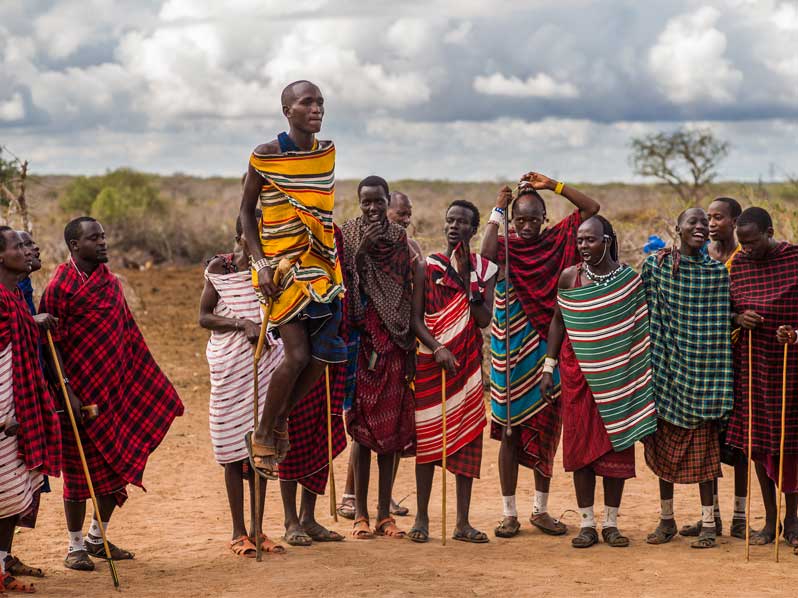
L'Afrique est le continent le plus pauvre du monde mais paradoxalement c'est aussi le plus riche : des animaux uniques et sauvages, des écosystèmes incroyables, des curiosités sans cesse

Voyage au Maroc : Des idées originales pour dormir chez l’habitant !
Le Maroc, avec ses paysages diversifiés et sa culture riche, est une destination de choix pour les voyageurs en quête d'authenticité et d'expériences immersives. Dormir chez l'habitant est une

Comment estimer le budget nécessaire pour un voyage aux États-Unis ?
Réaliser un voyage aux États-Unis est un rêve pour de nombreuses personnes. Cependant, il est essentiel d'avoir une bonne estimation du budget à prévoir pour éviter les mauvaises surprises.
Me connaître
Le 21 janvier 2011, j’ai quitté Nantes pour un vol aller simple à destination de La Havane. Le voyage n’a jamais pris fin et, onze ans plus tard, je continue à parcourir le monde, avec quelques rides en plus !
J’ai quitté l’Amérique centrale et découvert de merveilleux coins du monde : l’Afrique, les États-Unis, l’Amérique du Sud, l’Asie et l’Océanie.
Je suis une digital nomade. Je travaille en ligne de n’importe où sans avoir de logement fixe.
Je raconte mes aventures sur ce blog et je garantis des opinions honnêtes et des histoires véridiques. Je ne voyage pas pour le travail. Mais je travaille pour pouvoir continuer à voyager.